Gold Derby
The Greatest Living Actresses Who’ve Never Won An Oscar
By Zach Laws
Feb 5, 2026
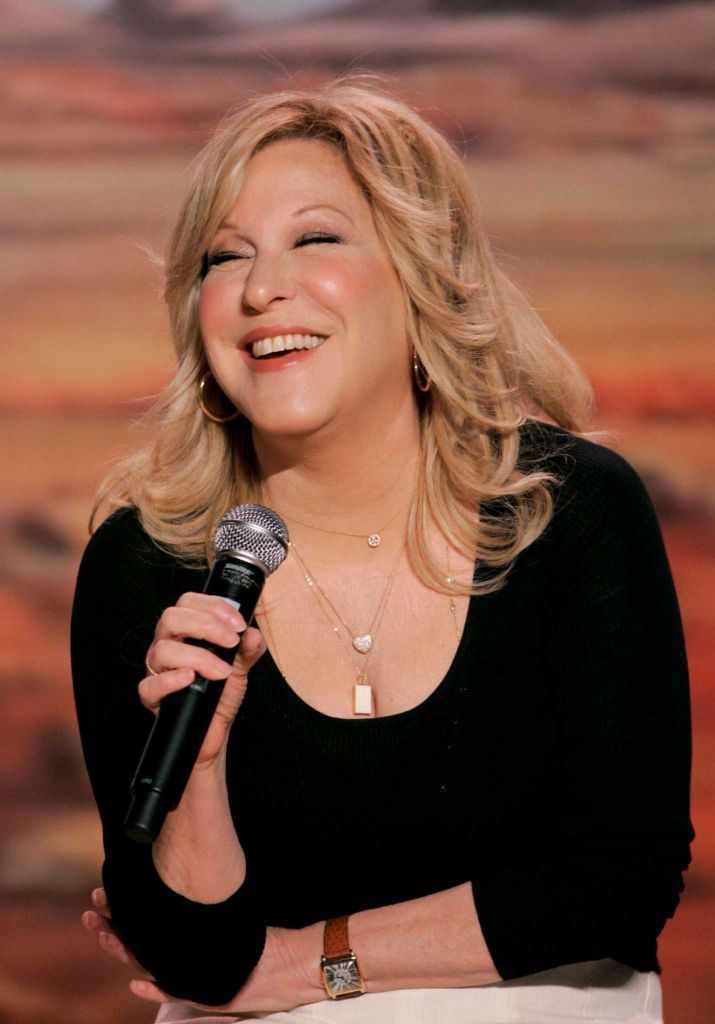
They say it’s an honor just to be nominated, but at a certain point, you’d like to actually win. That’s certainly the case with dozens of working actresses who have spent their careers eagerly anticipating a walk to the stage on Oscar night. Tour our gallery below of the greatest living actresses who’ve never won Oscars.
All of the actresses on this list have been nominated in either the lead or supporting category, some multiple times. (We have a separate list of living actresses who’ve yet to be nominated.) Some of these performers competed early in their career and have struggled to return since then, while others waited decades for a nomination. Others have been consistently nominated throughout the decades without ever hearing their names called when the envelope is opened.
The actresses on the list were chosen because their filmographies are extensive and filled with Oscar-worthy work, whether the Academy chose to acknowledge it or not. Many have had famous snubs that contributed to their overdue narratives. No matter what, these performers here have done more than enough to deserve an Oscar on their shelf, and it’s a shame they haven’t received one yet. With any luck, that will change one day (and we don’t mean with an Honorary, which doesn’t count towards exclusion here).
Amy Adams
The “when will Amy Adams win an Oscar” campaign kicked off with her Best Supporting Actress nomination for Junebug (2005). Supporting nominations for Doubt (2008), The Fighter (2010), The Master (2012), and Vice (2018) followed, as well as a lead actress bid for American Hustle (2013), for which she won the Golden Globe. High profile snubs for 2016’s Arrival and 2014’s Big Eyes (which brought her a second Globe win) added fuel to the overdue narrative fire, and Oscar-buzzy roles in Enchanted (2007), Hillbilly Elegy (2020), and Nightbitch (2024) came up short as well.
Jane Alexander
Jane Alexander earned her first Oscar nomination as Best Actress for her movie debut, The Great White Hope (1970), recreating her Tony Award-winning role from the play of the same title. She landed subsequent supporting actress bids for 1976’s All the President’s Men and 1979’s Kramer vs. Kramer (where she lost to her costar Meryl Streep). Her last Oscar nomination came in the lead actress category for the 1983 nuclear holocaust drama Testament. As of late, Alexander reaped an Emmy bid for her guest role on Season 2 of Severance.
Joan Allen
Joan Allen earned her first Oscar nomination as Best Supporting Actress for playing First Lady Pat Nixon in Oliver Stone’s 1995 biopic Nixon. A second consecutive supporting bid came the following year for her performance as Elizabeth Proctor in the big screen adaptation of The Crucible (1996). Allen’s third (and so far final) Oscar nom came in the lead actress category for the political drama The Contender (2000). Performances in The Ice Storm, Pleasantville, The Upside of Anger, and Room brought her further Oscar buzz.
Angela Bassett
After receiving early recognition for performances in Boyz N the Hood (1991) and Malcolm X (1992), Angela Bassett earned her first Oscar nomination for playing Tina Turner in the biopic What’s Love Got to Do with It (1993), for which she won the Golden Globe. She returned to the Oscar race nearly 20 years later with a supporting bid for Black Panther: Wakanda Forever (2022), which brought her a second Golden Globe victory. Bassett received an Honorary Oscar in 2024 in recognition of her body of work, which includes acclaimed performances in Strange Days (1995), Waiting to Exhale (1995), and How Stella Got Her Groove Back (1998). On the small screen, she has earned nine Emmy nominations and one win for narrating the nature documentary series Queens (2024).
Annette Bening
Annette Bening earned her first Oscar nomination in 1990 for her supporting turn in The Grifters. Her rise continued with Golden Globe-nominated turns in 1991’s Bugsy (where she met her husband, Warren Beatty) and 1995’s The American President. She seemed poised to win the Best Actress prize for her performance in American Beauty (1999), for which she won the SAG Award. Yet Bening was not among the five Oscars that film ultimately won, as she lost to Hilary Swank in Boys Don’t Cry. Subsequent lead actress nominations came for 2004’s Being Julia (where she lost again to Swank, this time for Million Dollar Baby) and 2010’s The Kids Are All Right, both of which won her Golden Globes. Notable snubs for 20th Century Women (2016) and The Report (2019) came before Bening returned to the Best Actress race with her performance as competitive swimmer Diana Nyad in Nyad (2023).
Brenda Blethyn
Brenda Blethyn scored her first Oscar nomination as Best Actress for her performance in Mike Leigh’s domestic drama Secrets & Lies (1996). Although she won the BAFTA and Golden Globe, she came up short against eventual Oscar winner Frances McDormand (Fargo). Blethyn returned to the Oscar race two years later for her supporting turn in Little Voice (1998). Although she received a BAFTA bid for 2005’s Pride & Prejudice, she hasn’t been Oscar nominated since.
Helena Bonham Carter
Helena Bonham Carter first garnered awards attention for her performance in Howards End (1992), which earned her a Best Supporting Actress nomination at BAFTA. Although the Oscars nominated her costar Vanessa Redgrave instead, that performance went a long way in securing her first Best Actress bid for 1997’s The Wings of the Dove. Carter next competed in the supporting actress category for The King’s Speech (2010), for which she won the BAFTA. Although the film won Best Picture, Carter lost to Melissa Leo (The Fighter). She has mostly been working on television since, earning two Emmy nominations for playing Princess Margaret on The Crown.
Glenn Close
What more is there to say at this point about how overdue Glenn Close is for an Oscar win? Close earned five unsuccessful bids throughout the 1980s: three in supporting (1982’s The World According to Garp, 1983’s The Big Chill, 1984’s The Natural), two in lead (1987’s Fatal Attraction, 1988’s Dangerous Liaisons). She returned to the Best Actress race after 13 years with Albert Nobbs (2011), which put her no closer to a victory. A win seemed within her grasp with 2018’s The Wife, for which she won the Golden Globe and SAG Award. Yet when Oscar night came along, Close came up empty-handed against lead actress rival Olivia Colman (The Favourite). A supporting actress bid for 2020’s Hillbilly Elegy brought Close’s nominations tally up to eight, putting her in league with perennial bridesmaid Peter O’Toole.
Toni Collette
After nabbing a Golden Globe bid for her breakthrough performance in Muriel’s Wedding (1994), Toni Collette earned her first Oscar nomination for her supporting performance in M. Night Shyamalan’s ghost story The Sixth Sense (1999). She’s yet to be nominated since then, despite reaping BAFTA bids for supporting turns in About a Boy (2002) and Little Miss Sunshine (2006). She seemed on the cusp of landing a Best Actress nom for another horror flick, Hereditary (2018), yet a passionate fan campaign didn’t move Oscar voters.
Judy Davis
Australian actress Judy Davis shot to stardom with 1979’s My Brilliant Career, which won her BAFTAs as Best Actress and Best Newcomer. She reaped her first Oscar nomination in 1984 for her lead turn in David Lean’s final film, A Passage to India. Although a pair of acclaimed supporting turns in Barton Fink and Naked Lunch split the vote in 1991, they went a long way towards landing Davis a second Oscar bid the next year for Woody Allen’s Husbands and Wives (1992). While that was her last brush with Oscar success, she did win three Emmys for performances in Serving in Silence: The Margarethe Cammermeyer Story (1995), Life with Judy Garland: Me and My Shadow (2001), and The Starter Wife (2007).
Isabelle Huppert
French star Isabelle Huppert has long been considered one of the best actresses in the world, winning the Cannes Film Festival prize for 1978’s Violette (tied with Jill Clayburgh for An Unmarried Woman) and 2001’s The Piano Teacher (awarded unanimously). Yet the Academy didn’t take notice until 2016’s Elle, which brought Huppert her first Best Actress nomination. Despite winning the Golden Globe, Huppert came up short against La La Land‘s Emma Stone. She’s proven more popular at France’s Cesar Awards, earning 17 nominations and two Best Actress wins (for Elle and 1995’s Le Cérémonie).
Scarlett Johansson
For the longest time, it seemed like Scarlett Johansson couldn’t get arrested at the Oscars, going unrecognized for Golden Globe-nominated performances in 2003’s Lost in Translation (for which she won the BAFTA), 2003’s Girl with a Pearl Earring, 2004’s A Love Song for Bobby Long, and 2025’s Match Point. That all changed in 2019, when she scored double bids for her lead role in Marriage Story (2019) and her supporting turn in Jojo Rabbit (2019). Neither brought her a victory, but both went a long way towards building her overdue Oscar narrative.
Catherine Keener
After early Independent Spirit bids for Johnny Suede (1991) and Walking and Talking (1996), Catherine Keener tallied her first Oscar nomination as Best Supporting Actress for Being John Malkovich (1999). She returned to the Oscar race for her performance as To Kill a Mockingbird author Harper Lee in Capote (2005), and came close to snagging a third supporting actres nom for Into the Wild (2007). Acclaimed turns in Lovely & Amazing (2001), Synecdoche, New York (2009), and Please Give (2010) went unrecognized, as did a juicy supporting turn in the Oscar-winning horror hit Get Out (2017).
Keira Knightley
By the time Keira Knightley earned her first Oscar nomination for playing Elizabeth Bennett in Pride and Prejudice (2005), she already felt like an overdue veteran thanks to performances in Bend It Like Beckham (2002), Love Actually (2003), and Pirates of the Caribbean: The Curse of the Black Pearl (2003). Globe and BAFTA noms for Atonement (2007) quickly followed, which made her Oscar snub in Best Actress all the more surprising. She returned to the Oscar lineup with her supporting turn in The Imitation Game (2014), and hasn’t been nominated since then.
Laura Linney
Laura Linney’s relationship with the Oscars began in 2000, when she earned a Best Actress nomination for You Can Count on Me. That bid proved unsuccessful, as did her supporting nomination for Kinsey (2004) and her lead nom for The Savages (2007). Linney was heavily buzzed for her BAFTA-nominated supporting turn in 2003’s Mystic River (her costar, Marcia Gay Harden, got that Oscar nom) and for her Golden Globe-cited lead performance in 2005’s The Squid and the Whale. She’s had better luck on the small screen, winning Emmys for Wild Iris, Frasier, John Adams, and The Big C: Hereafter, and competing four times for Ozark.
Amy Madigan
Few people have had as long a gap between Oscar nominations as Amy Madigan, who first competed in Best Supporting Actress for 1985’s Twice in a Lifetime. After going unrecognized for her acclaimed supporting performance in 1989’s Best Picture nominee Field of Dreams, Madigan spent 40 years outside of the Academy’s good graces. That changed in 2025, when she made an Oscar comeback with her iconic performance as Aunt Gladys in the horror film Weapons, which brought her a Critics Choice victory as Best Supporting Actress.
Marsha Mason
Marsha Mason was a mainstay at the Oscars for the better part of a decade, beginning with a Best Actress nomination for 1973’s Cinderella Liberty (for which she won the Golden Globe for Best Drama Actress). She found repeat Oscar success with leading roles written by then-husband Neil Simon, landing bids for 1977’s The Goodbye Girl (where she tied eventual Oscar winner Diane Keaton [Annie Hall] at the Globes), 1979’s Chapter Two (released the same year as her Globe-nominated turn in Promises in the Dark), and 1981’s Only When I Laugh. While she hasn’t been invited to the Oscars since then, she did earn an Emmy nom for her memorable guest spot on Frasier.
Bette Midler
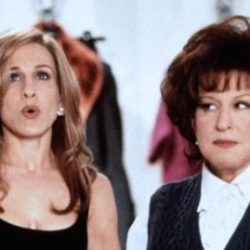
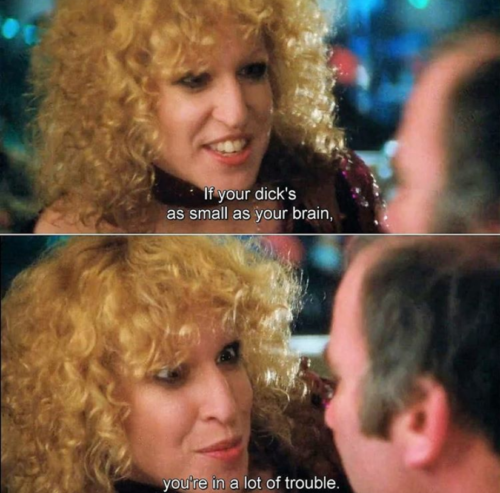
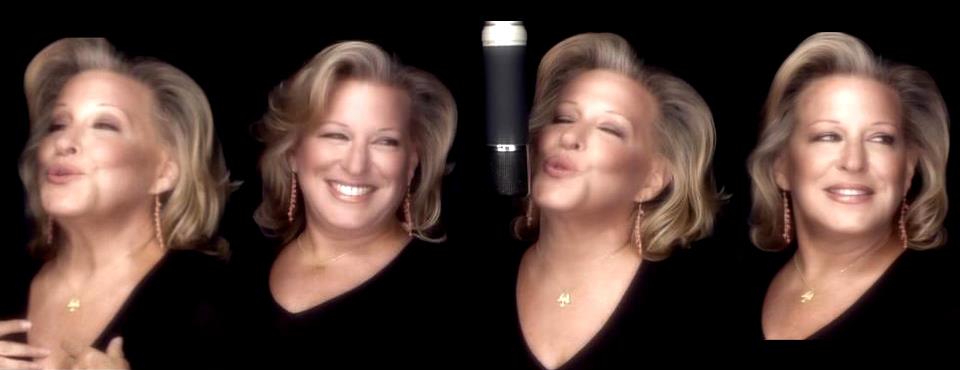
Bette Midler landed her first Oscar nomination for her breakthrough performance in the thinly veiled Janis Joplin biopic The Rose (1979), for which she won the Golden Globe. Performances in Divine Madness (1980), Down and Out in Beverly Hills (1986), and Outrageous Fortune (1987) went unrecognized despite Globe bids. She returned to the Oscar race in 1992 with For the Boys, which brought her a second Globe victory as Best Comedy/Musical Actress. Despite winning three Emmys, three Grammys, and a Tony, Midler has yet to add an “O” to her EGOT.
Samantha Morton
It didn’t take long for Oscar voters to take notice of Samantha Morton, who landed a supporting actress nomination for Woody Allen’s Sweet & Lowdown (1999). She returned to the Oscar race in 2003 with a lead actress bid for In America. Despite earning a BAFTA nomination for Control (2007) and Critics Choice and Indie Spirit bids for The Messenger (2009), Morton hasn’t been invited back to the Oscars since.
Carey Mulligan
Carey Mulligan’s overdue Oscar narrative began in 2009, when she earned her first Best Actress nomination for An Education. Mulligan was just 24-years-old when she competed for the coming-of-age drama, for which she won the BAFTA. Her next nomination came for 2020’s Promising Young Woman, which brought her the Critics Choice Best Actress prize. She earned her third Best Actress Oscar bid for 2023’s Maestro, and came close to competing in the supporting category for 2011’s Drive (which brought her a BAFTA nom), 2011’s Shame (which earned her a Critics Choice nom), and 2022’s She Said (for which she competed at BAFTA and the Golden Globes).
Michelle Pfeiffer
Michelle Pfeiffer competed at the Oscars for the first time with Dangerous Liaisons (1988), for which she won the BAFTA as Best Supporting Actress. She came close to an Oscar victory on her second try with The Fabulous Baker Boys (1988), which won her the Golden Globe as Best Drama Actress. Pfeiffer was no match for Driving Miss Daisy’s Jessica Tandy, who at 80-years-old became the oldest Best Actress winner in history. Pfeiffer tallied one more unsuccessful Best Actress bid for 1992’s Love Field, and hasn’t been nominated since despite generating buzz with 1993’s Globe-nominated The Age of Innocence, 2001’s SAG-nominated White Oleander, and 2020’s Globe-nominated French Exit. She was overlooked as well for Globe-competing performances in Married to the Mob (1988), The Russia House (1990), and Frankie and Johnny (1991), not to mention her iconic role as Catwoman in Batman Returns (1992).
Charlotte Rampling
In a career stretching back to the 1960s, English actress Charlotte Rampling went unrecognized for Oscar-caliber performances in films like The Night Porter (1974), The Verdict (1982), and Swimming Pool (2003), the latter of which landed her a César bid. She received her first Oscar nomination in 2015 for her leading role in 45 Years, playing a woman whose marriage starts crumbling as her anniversary approaches. Although she lost the Best Actress prize to Brie Larson (Room), Rampling did capitalize on that nomination to land a prime role in Dune: Part One and Two.
Miranda Richardson
Miranda Richardson broke through in a major way in 1992 with three performances that received varying degrees of awards attention: Enchanted April, for which she won the Golden Globe as Best Comedy/Musical Actress; The Crying Game, which brought her a Best Supporting Actress bid at BAFTA; and Damage, which earned her a supporting actress Oscar nomination and won her the BAFTA. She returned to the Oscars two years later with her lead bid for Tom & Viv (1994), her last nomination to date despite acclaimed performances in The Apostle (1997), The Hours (2002), and Stronger (2017).
Saoirse Ronan
By the time she was 25, Saoirse Ronan was already a four-time Oscar nominee, making her perhaps the youngest person to ever claim to be legitimately “overdue.” She earned her first supporting actress nomination when she was just 13-years-old for 2007’s Atonement. Ronan competed in Best Actress for 2015’s Brooklyn, 2017’s Lady Bird (for which she won the Golden Globe), and 2019’s Little Women. She could’ve added to her nominations tally with performances in The Lovely Bones (2009) and The Outrun (2024), both of which brought her BAFTA bids for lead actress.
Winona Ryder
Winona Ryder seemed destined to win an Oscar one day, landing early awards attention at the Independent Spirit Awards for Heathers (1989) and the Golden Globes for Mermaids (1990). She earned her first Oscar nomination as Best Supporting Actress for Martin Scorsese’s The Age of Innocence (1993), for which she won the Golden Globe and competed at BAFTA. A second Oscar bid followed the next year for her lead performance as Jo March in Little Women (1994). She hasn’t been nominated since then, and has spent the last few years on Netflix’s Stranger Things.
Talia Shire
Talia Shire received two Oscar nominations early in her career with a pair of iconic 1970s performances. The first came for her supporting turn as Connie Corleone in The Godfather: Part II (1974), directed by her brother, Francis Ford Coppola. The second came for her lead role as Adrian in Rocky (1976). She has kept active since then (mostly in Rocky and The Godfather sequels), but Oscar voters haven’t taken notice.
Lily Tomlin
Poor Lily Tomlin has been one trophy away from an EGOT for her entire career, with seven Emmys, a Tony, and a Grammy waiting for an Oscar to join them on the shelf. Tomlin was nominated for her supporting performance in Robert Altman’s Nashville (1975), and she may very well have won had she not split the vote with costar Ronee Blakley. Despite reaping Golden Globe bids for The Late Show (1977), All of Me (1984), and Grandma (2015), Tomlin hasn’t had another bite at the Oscar apple.
Kathleen Turner
Few actresses dominated the 1980s like Kathleen Turner, starting with her smoldering breakthrough in Body Heat (1981). After winning back-to-back Golden Globes for Romancing the Stone (1984) and Prizzi’s Honor (1985), Turner received her first Oscar nomination for Francis Ford Coppola’s Peggy Sue Got Married (1986). She closed out the decade with one final Globe bid for The War of the Roses (1989), and has spent the last few decades mostly focused on the stage (earning Tony noms for revivals of Cat on a Hot Tin Roof and Who’s Afraid of Virginia Woolf?), TV, and voice-over work.
Liv Ullmann
Norwegian actress Liv Ullmann became an international superstar thanks to her collaborations with Ingmar Bergman. Yet her first Best Actress Oscar nomination didn’t come from a Bergman movie, but from The Emigrants (1971), directed by one of the Swedish auteur’s contemporaries, Jan Troell, and starring his favorite actor, Max von Sydow. After getting notably snubbed for Bergman’s 1973 drama Scenes from a Marriage (due in part to it originally airing as a miniseries on Swedish television), Ullmann returned to the Best Actress race with the director’s Face to Face (1976). While she hasn’t been nominated since then, Ullmann did receive an Honorary Oscar in 2022.
Emily Watson
Emily Watson became an Oscar nominee with her very first film, Breaking the Waves (1996), and earned a second Best Actress bid two years later for Hilary and Jackie (1998). She’s yet to be nominated since then, despite turning in acclaimed performances in movies like Gosford Park (2001), Punch-Drunk Love (2002), and Synecdoche, New York (2008). She even went unrecognized for Hamnet (2025), which brought her a BAFTA nom as Best Supporting Actress. Watson did snag Emmy, BAFTA, and SAG bids for the 2019 limited series Chernobyl, so at least some awards bodies haven’t forgotten her.
Naomi Watts
After kicking around Hollywood for a while, Naomi Watts shot to stardom with her acclaimed performance in David Lynch’s Mulholland Drive (2001). Despite earning mentions from various critics groups, Watts was snubbed at the Oscars for her dual performance as a mystery-solving actress. She received her first Oscar bid in lead actress for 21 Grams (2003), competing again for The Impossible (2012) nearly a decade later. Buzzy performances in King Kong (2005), Eastern Promises (2007), and St. Vincent (for which she earned a supporting actress nom at SAG) came up short, while Oscar-bait starring vehicles like Diana (2013) were widely panned. The only major prize she’s collected thus far is a SAG Ensemble award for 2014’s Birdman.
Sigourney Weaver
Sigourney Weaver’s first Oscar nomination came from one of the least likely of Oscar contenders: James Cameron’s Aliens (1986). Weaver scored a Best Actress nomination for reprising the role of Ripley in that sci-fi sequel, competing at the Golden Globes as well. In 1988, Weaver was double-nominated in the lead for Gorillas in the Mist and in supporting for Working Girl. Despite winning Golden Globes for both performances, Weaver went home empty-handed on Oscar night. She’s yet to be nominated again, despite tallying Globe and BAFTA bids in supporting for The Ice Storm (1997) and another lead Globe nom for A Map of the World (1999).
Michelle Williams
The “when will Michelle Williams win an Oscar” refrain began in 2005 with her supporting actress nomination for Brokeback Mountain, which pitted her against fellow perennial bridesmaid Amy Adams (Junebug). She quickly garnered lead actress bids for Blue Valentine (2010) and My Week With Marilyn (2011), which brought her a Golden Globe. William competed unsuccessfully in supporting for Manchester by the Sea (2016) and in lead for The Fabelmans (2022), in which she played Steven Spielberg’s mother. Her TV work has brought her more awards success, with Emmy, Golden Globe, and SAG wins for Fosse/Verdon (2016) and another Globe victory for Dying for Sex (2025).
Debra Winger
After receiving BAFTA and Golden Globe bids for her supporting performance in Urban Cowboy (1980), Debra Winger landed her first of three Best Actress Oscar nominations for An Officer and a Gentleman (1982). She returned to the Oscar race the next year with Terms of Endearment (1983), losing the Best Actress prize to her on-screen mother, Shirley MacLaine. It was a full decade before Winger reaped her third Oscar nomination for 1993’s Shadowlands, released the same year as her Golden Globe-nominated lead performance in A Dangerous Woman. Although she hasn’t returned to the Oscar race since, she came close with a buzzy supporting turn in Rachel Getting Married (2008).
Alfre Woodard
Alfre Woodard earned her first (and to date, only) Oscar nomination for Best Supporting Actress in 1983’s Cross Creek. She’s gone unrecognized since then, despite receiving Golden Globe bid for Passion Fish (Best Supporting Actress, 1992) and a BAFTA nom for Clemency (Best Actress, 2019). She was widely hailed for her performance in Spike Lee’s autobiographical Crooklyn (1994), yet category confusion likely kept her out of the Oscar lineup that year. Woodard is a four time Emmy winner for roles on Hill Street Blues, L.A. Law, Miss Ever’s Boys, and The Practice, so she does have some gold on the shelf.