Beat Of Hawaii
Hawaii Made Them Famous. What These Celebrities Are Giving Back.
By Hawaii Travel News
May 19, 2026
Hawaii Made Them Famous. What These Celebrities Are Giving Back.
Most visitors driving the Kapaa bypass on the way to Hanalei never know what sits on the mauka (mountain) side of the road. Fourteen hundred acres long, kept out of development, now hosts the first farmers planting this spring on land leased from a Bette Midler LLC to a Kauai nonprofit. That land is one of the clearest current examples of a smaller pattern across Hawaii.
Hawaii has long produced famous people without a doubt. But many, even most, left and stayed gone. A few came back and did concrete things: moving land into preservation, building foundations that still operate, taking public positions on contested issues in Hawaii, or playing benefit shows when disasters hit. Others kept Hawaii visible through identity, public association, and return without building a major Hawaii institution.
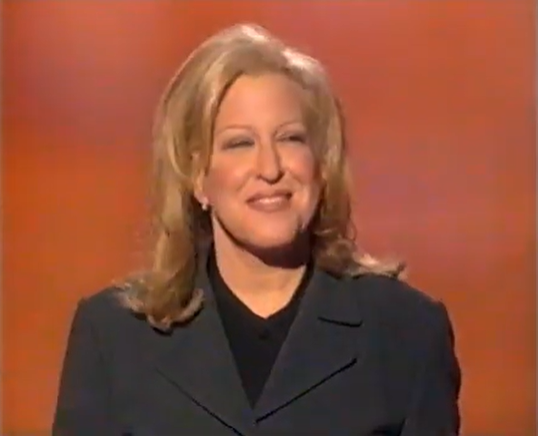
Bette Midler restored wetlands and leased 87 acres to a nonprofit this spring.
Bette Midler was born in Honolulu and became one of the biggest names in entertainment of her generation through film, television, and music. Her Hawaii connection, however, eventually became tied to land on Kauai’s east side rather than celebrity appearances or resort development.
Around 2000, Midler purchased roughly 1,400 acres from Amfac (a retail and sugar business) near Kapaa for $4.5 million. Over time, portions of that land shifted to conservation and agricultural use rather than the luxury-development direction that usually follows major landholdings in Hawaii.
About 100 acres entered a perpetual federal wetland easement through the USDA Wetlands Reserve Program in partnership with Hawaii Ducks Unlimited. The restoration work helped bring back endangered Hawaiian waterbirds, including stilts, coots, ducks, and moorhens.
In February 2025, Malama Kauai signed a land lease with My Kapaa LLC, which is partly owned by Midler, paving the way for the Olohena AINA Center. Phase one includes sublicensed farm plots, agroforestry acreage, greenhouses, washing and packing facilities, cold storage, and shared agricultural infrastructure intended to lower barriers to entry for local farmers and their operations.
Fourteen applications were filed for seventy-six acres of available agricultural land. The first farmers are already operating there. Malama Kauai is now fundraising for a well that would unlock later phases of the property, with the timing of further phases dependent on access to that water.
East-side and North Shore Kauai land pressure keeps intensifying, from Coco Palms still not reopening to legacy properties trapped between outside capital, permitting fights, infrastructure strain, and local resistance. In contrast, acreage remaining in productive agricultural circulation is becoming increasingly unusual.
Jack Johnson built a foundation that still operates inside Hawaii schools.
Jack Johnson grew up on Oahu’s North Shore and became globally known through music rooted in surfing, island life, and acoustic songwriting. Unlike many Hawaii-born celebrities, he kept much of his professional and philanthropic operations within the Hawaiian Islands.
Jack Johnson’s Hawaii footprint functions less like land stewardship and more like an operating institution. The Kokua Hawaii Foundation has operated since 2003, founded by him and his wife, Kim, to support environmental education inside Hawaii public schools through farm-to-school work, school gardens, food education, and waste reduction projects.
Unlike celebrity charity, which surfaces after disasters and then disappears, this structure operates continuously. Teachers and students interact with it, and campuses physically change as a result.
Many Hawaii education and sustainability issues can drift into slogans, branding language, or temporary funding. School gardens and campus food systems are harder to fake.
Brushfire Records remains based on Oahu, and the Kokua Festival has historically operated as direct fundraising for the foundation rather than as a detached celebrity event with Hawaii branding. Twenty years later, the foundation still exists within Hawaii schools rather than being a dormant philanthropy.
Bethany Hamilton started a Hawaii-based foundation for limb-loss survivors.
Bethany Hamilton grew up on Kauai’s North Shore and became internationally known after surviving a shark attack at age thirteen while surfing near Tunnels Beach in 2003. The story transformed both her life and Kauai’s visibility around the world, and more.
The Bethany Hamilton story changed how much of the world saw Kauai. Before the movie Soul Surfer, many mainland audiences knew the island’s North Shore only through surf culture, but after that, Hanalei, Tunnels, and Kauai itself gained a different kind of international visibility tied to resilience, surfing, and survival.
The more lasting Hawaii action, however, came afterward. Hamilton stayed on Kauai and built the Beautifully Flawed Foundation, originally founded in 2007 as Friends of Bethany, focused on people facing limb loss and limb differences.
The foundation draws on a direct personal connection to Hamilton’s life, giving it credibility that many celebrity-related nonprofits lack. The work remains tied to the experience that made her famous rather than drifting into more generalized, motivational branding.
Kauai’s North Shore still carries the visual and emotional association created by Soul Surfer, but Hamilton’s continued presence on the island keeps the story from becoming pure visitor mythology detached from local reality.
Nicole Scherzinger stood at Mauna Kea in 2019, then won a Tony in 2025.
Nicole Scherzinger was born in Honolulu before becoming internationally known through the Pussycat Dolls and later Broadway. Her Hawaii role eventually became tied less to entertainment and more to public cultural alignment.
Nicole Scherzinger’s Hawaii action sat in a different category. She took a public position inside one of the state’s most divisive cultural conflicts when she stood on Mauna Kea in August 2019, opposing the construction of the Thirty Meter Telescope.
Mauna Kea was already one of the defining flashpoints for identity and sovereignty in modern Hawaii, splitting residents, scientists, Native Hawaiian activists, and political leadership. Most celebrities avoid conflicts like that because the backlash risks are obvious, but Scherzinger publicly aligned herself with one side.
Her mother is Native Hawaiian and worked professionally in hula. Scherzinger wears Niihau shell jewelry publicly and recorded “Puakenikeni” with Akon in 2007, placing Hawaiian language into a mainstream pop setting most national audiences would otherwise not have encountered.
The 2025 Tony win for Sunset Boulevard brought her Hawaii identity back into national visibility, while conversations around Native Hawaiian culture, land, and sovereignty remain active statewide.
Bruno Mars, Barack Obama, and Carrie Ann Inaba also keep their connections visible.
Not every Hawaii action becomes a foundation or a land project. Bruno Mars returns repeatedly to Hawaii for performances and stays publicly associated with the islands during relief efforts and major events. Barack Obama has continued to publicly identify Hawaii as home, decades after attending Punahou. His home in Waimanalo sits on the same estate made famous as the “Robin’s Nest” in the original Magnum, P.I. television series.
Carrie Ann Inaba belongs in a similar category. Born and raised in Honolulu, Punahou-educated, and nationally known through Dancing With The Stars, as well as dance, choreography, and television, she has remained publicly identified with Hawaii even though she has not built a major Hawaii-based institution comparable to Kokua Hawaii Foundation or the Olohena agricultural project.
For some, their contribution is associative more than structural. Mars shows up during a crisis. Obama keeps Punahou, Honolulu, and Kailua embedded among the most recognized current public biographies. Inaba keeps her Hawaii-born entertainment path visible before national audiences.
Hawaii’s geographic isolation can compress national media attention, and a performer, former president, or television figure with broad reach can redirect it toward the islands in ways local institutions often can’t on their own. That carries value while in a lighter way than land, schools, or foundations.
What Hawaii gets from the famous it has produced.
The strongest Hawaii actions in this group all changed something physically on the ground. Midler moved acreage into preservation and restored agricultural use. Jack Johnson built structures that still operate inside schools. Bethany Hamilton built an organization tied to limb-loss survivors and people with limb differences. Scherzinger’s Mauna Kea stand attached a globally recognized name to a conflict centered on physical land and cultural control.
Hawaii is in a long argument about who controls what remains, from the redevelopment of What Happened To Kauai’s New $227 Million Resort to ongoing questions about whether Kauai can absorb more visitors at all. The famous people who came back and built something here have answered that argument differently from the ones who stayed away.



Mahalo Nunui Loa for your purpose in life for being here for your Love of the Aina na Pai Aina ? and Mahalo Nunui Loa for all the Hawaii Celebrities who gave back and still giving ???? that what Aloha means
E Akua Pu ia Hawaii Nei???
Thank you!