Bootleg Betty
What does the Bette Midler song Mr. Rockefeller mean?
By Mister D
May 4, 2026
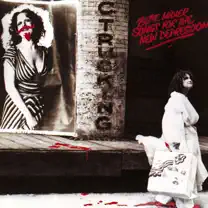
“Mr. Rockefeller” is a humorous, satirical song by Bette Midler from her 1976 album Songs for the New Depression.
It was co-written by Midler and Jerry Blatt. The track fits the album’s theme of economic struggle and “new depression” (reflecting the mid-1970s U.S. economic woes like stagflation and recession).
Lyrics Summary and Meaning
The song is structured as a one-sided phone conversation (with operator interludes) where a down-on-her-luck woman repeatedly tries to reach the wealthy “Mr. Rockefeller” (evoking the famously rich Rockefeller family, like John D. Rockefeller).
Key elements:
She asks how he is, if he’s “having fun,” and begs for a little money (“I could use a few / If you’d like to send a few / Down my way”).
She mentions seeing him in magazines and on TV but feeling disconnected from his world.
She’s “ragged to the bone,” broke (this is her “last dime”), and struggling—her family is “nervous,” her thoughts are “blue,” and she’s not feeling well.
The tone mixes desperation, persistence, and wry humor, with her pleading for him to “pick up the phone.”
It’s a satirical take on class divide, urban isolation, and celebrity/wealth worship. The singer idolizes or envies the ultra-rich while highlighting her own poverty, turning a personal plea into a broader commentary on inequality. Midler’s delivery (playful yet poignant) and the album context amplify the “new depression” vibe—personal hardship amid societal/economic malaise.
It’s not a deep personal confession but more of a show-biz-style character sketch/sketch comedy bit set to music, which aligns with Midler’s cabaret/theatrical style. Some reviews at the time noted it as lighter/trivial compared to other tracks but fitting her stage persona.
Fun Facts
It has been sampled by Kanye West on “Last Call” from The College Dropout (2004).
Midler performed it live during her tours around that era.
Overall, it’s a fun, cheeky critique wrapped in Midler’s signature wit—equal parts funny and pointed about chasing the rich for a handout. If you’re a fan, check out the full album for more of that 1970s Midler energy!
Songs for New Depression tracks
Thoughts
“Songs for the New Depression” is Bette Midler’s third studio album, released on January 8, 1976, by Atlantic Records. It runs about 38-39 minutes and features a mix of covers, originals, and eclectic styles reflecting the mid-1970s economic struggles (hence the title).
Full Track Listing (with writers and approximate lengths from standard releases)
Side A:”Strangers in the Night” (Bert Kaempfert, Charles Singleton, Eddie Snyder) – 3:22
(Disco-fied take on the Sinatra classic)
“I Don’t Want the Night to End” (Phoebe Snow) – 3:53
“Mr. Rockefeller” (Jerry Blatt, Bette Midler) – 4:05
(The satirical phone-call plea we discussed)
“Old Cape Cod” (Claire Rothrock, Allan Jeffrey, Milton Yakus) – 2:50
“Buckets of Rain” (Bob Dylan) – 4:00
(Duet with Bob Dylan)
“Love Says It’s Waiting” (Nick Holmes) – 1:41
(From The Promise Suite)
Side B:”Shiver Me Timbers” / “Samedi et Vendredi” (Tom Waits / Bette Midler, Moogy Klingman) – 6:25
(Medley; “Samedi et Vendredi” is an original French-language track)
“No Jestering” (Carlton Malcolm) – 3:59
“Tragedy” (Gerald Nelson, Fred Burch) – 3:06
“Marahuana” (Arthur Johnston, Sam Coslow) – 2:30
“Let Me Just Follow Behind” (Moogy Klingman) – 3:36
Total length: ~38:47.
Notes
Bette co-wrote “Mr. Rockefeller” and “Samedi et Vendredi,” marking her songwriting debut on record. She also co-produced parts of the album.
Guests include Bob Dylan (on “Buckets of Rain”), Todd Rundgren, Luther Vandross (backing/arranging), and others like Sivuca.
Some tracks (“Old Cape Cod” and “Marahuana”) were recorded earlier for her debut but remixed for this release.
The album blends cabaret flair, pop, disco, folk, and theatrical elements—very much in Midler’s signature style. It peaked at #27 on the Billboard 200.