Bootleg Betty
Why didn’t Bette Midler’s “Stella” work as a movie?
By Mister D
May 23, 2026
THE CORE REASON STELLA DIDN’T WORK
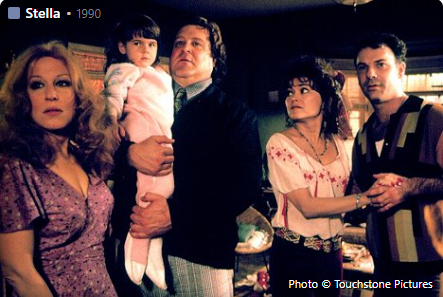
The 1990 film tried to modernize a story whose emotional logic depends on class rigidity, social shame, and maternal sacrifice — forces that no longer operated the same way in late 20th-centurycentury America.
The original story needs a world where a mother’s “unworthiness” is socially codified. By 1990, that world was gone.
Everything else — tone, casting, direction, script — flows from that central mismatch.
1. The Source Material: What Stella Dallas Does That Stella Can’t
Stella Dallas (1937)
Built on strict class boundaries: working-class women were judged, excluded, and socially punished.
Stella’s sacrifice feels tragic but inevitable — the system is stacked against her.
The film is a weepie, a prestige melodrama with a clear moral universe.
Barbara Stanwyck’s performance is raw, restrained, and devastating.
Stella (1990)
Arrives in a world where:
upward mobility is more common
single motherhood is normalized
class shame is less codified
women’s independence is celebrated
Stella’s sacrifice feels less inevitable and more confusing — audiences asked, “Why doesn’t she just… talk to her daughter?”
The melodrama form had fallen out of fashion; sincerity was out, irony was in.
Result: The emotional stakes that powered the original no longer felt culturally grounded.
2. Tone Problems: Melodrama vs. 1990s Sentimentality
The 1937 film is unapologetically melodramatic.
It leans into big emotions, big gestures, and a tragic inevitability.
The 1990 film tries to blend:
melodrama
comedy
Bette Midler’s brassy persona
90s familyfilm sentimentality
These tones never fully fuse.
The movie wants to be:
a tearjerker
a star vehicle
a modern empowerment story
…but the story itself requires a tragic, self-effacing mother.
That’s not Bette Midler’s brand.
? 3. The Bette Midler Factor (Bless Her, But…)
Bette is incandescent, funny, warm, and charismatic — but the role of Stella requires:
self-erasure
quiet suffering
a woman who believes she is unworthy
Bette Midler radiates:
confidence
self-possession
defiance
a refusal to apologize for who she is
This is why we love her.
But it runs counter to the character’s psychology.
Stanwyck disappears into Stella.
Midler transforms Stella into Midler.
Audiences felt the mismatch.
4. Script & Direction: Softening the Edges
The 1990 film:
removes the harsher class commentary
softens Stella’s roughness
makes her more “lovable”
reduces the social cruelty that drives the original plot
adds comedic beats to fit Bette’s persona
But the story needs the roughness.
Without it, Stella’s final sacrifice feels:
unnecessary
manipulative
emotionally unearned
The original ending devastates.
The remake’s ending confuses.
5. Cultural Timing: The 1930s vs. 1990
1930s America
rigid class structure
moral judgment of women
melodrama as a respected genre
audiences primed for tragedy
1990 America
post-feminist optimism
“follow your dreams” culture
irony and self-awareness
melodrama seen as old-fashioned
The story’s emotional architecture simply didn’t translate.
6. The Daughter Problem
In Stella Dallas, the daughter’s desire for upward mobility is heartbreaking but understandable.
In Stella (1990), Jenny often comes across as:
privileged
ungrateful
emotionally inconsistent
The film doesn’t give her the depth or conflict needed to justify Stella’s sacrifice.
7. The Sacrifice: Why It Hits in 1937 and Falters in 1990
In 1937:
Stella’s sacrifice is the only way to give her daughter a better life.
It’s tragic, noble, and socially coherent.
In 1990:
Stella’s sacrifice feels like:
a miscommunication
a melodramatic overreaction
a plot device rather than a character truth
Audiences didn’t buy it.
FINAL VERDICT
Stella (1990) didn’t work because it tried to modernize a story whose emotional logic depends on a vanished social world — and because Bette Midler’s star persona, while glorious, is fundamentally at odds with the character’s tragic self?erasure.
It’s not a failure of performance.
It’s a failure of fit — cultural, tonal, and structural.