Watch Mojo
10 Times Celebs Sued Huge Companies
By Francis Ofiaeli
July 15, 2026
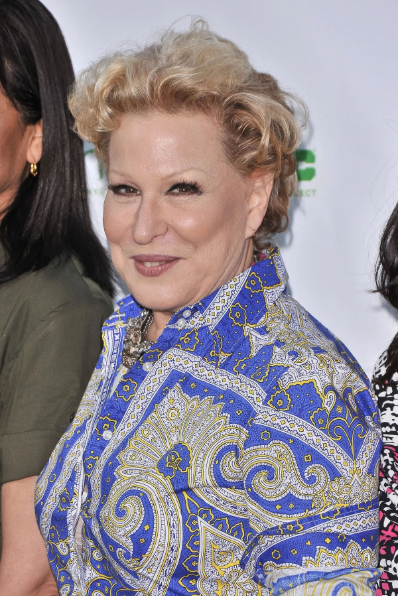
When stars and massive corporations collide in court, things get explosive! Join us as we count down some of the most jaw-dropping legal battles where celebrities fought back and took on powerful companies. From music rights disputes to unauthorized endorsements and streaming controversies, these cases changed the rules of fame, branding, and intellectual property forever. Do you think these lawsuits were justified?
Welcome to WatchMojo, and today we’re looking at 10 times stars or their fans took on large establishments legally.
Taylor Swift Fans vs. Ticketmaster/Live Nation
Chaos erupted on November 15, 2022, when Taylor Swift’s Eras Tour presale crashed spectacularly. The incident locked out millions of fans as Ticketmaster’s site buckled under 3.5 billion site requests in a single day. What began as a triumphant tour launch quickly exposed Live Nation’s iron grip on live music, sparking furious claims of monopoly power. Though Swift stayed out of court herself, outraged fans launched class action suits. U.S. senators hauled Ticketmaster executives into fiery January 2023 Judiciary Committee hearings, with lawmakers competing to drop Swift lyrics on the record. This case saw multiple state attorneys general fueling calls to dismantle the dominant gatekeeper strangling concert experiences.
Eminem vs. Apple
American rapper Eminem’s beef with Apple actually occurred twice. The first round came in 2004, when his publishing company Eight Mile Style sued after Apple used “Lose Yourself” in an iTunes TV commercial without permission. Round two arrived in 2007. Eight Mile Style sued again. This time, it was over iTunes selling 93 of Eminem’s songs under a deal struck with Aftermath Records. His publishers argued that they never had the authority to authorize digital distribution. The case went to trial in Detroit in 2009, where it was revealed that Apple had paid Aftermath more than Eight Mile Style for the downloads. Both sides settled after the trial, with terms undisclosed.
Katherine Heigl vs. Duane Reade
In March 2014, a Duane Reade social media manager had what seemed like a clever idea: post a paparazzi photo of Katherine Heigl leaving one of their stores. Her caption of the tweet also made it sound like the actress backed the brand. Heigl, a “Grey’s Anatomy” Emmy winner known for being highly selective about endorsements, hit back with a $6 million federal lawsuit. She argued the retailer had deliberately stripped the original context from the image and repurposed it as unauthorized advertising. Duane Reade insisted the public photo was fair game. The case settled confidentially, with the pharmacy giant reportedly making a charitable donation to Heigl’s foundation. Every brand’s social team should have this lesson tattooed somewhere visible.
Tom Waits vs. Frito-Lay
Frito-Lay’s ad agency set out to launch Salsa Rio Doritos with a radio spot inspired by Tom Waits’s 1976 satirical song “Step Right Up”. Instead of dealing with Waits, they hired an imitator, Dallas musician Stephen Carter. His impersonation was so accurate that members of the creative team reportedly did a double take at his audition. Waits heard the ad during a radio appearance in Los Angeles and later joked that he wondered if he’d recorded it in a drunken blackout. He filed suit for voice misappropriation and false endorsement and won. In 1990, a jury awarded him $2.6 million in damages, later upheld on appeal in 1992. In a remarkable twist, Carter himself testified on Waits’ behalf.
Dua Lipa vs. Samsung
Fresh off her global pop domination, Dua Lipa filed a $15 million lawsuit against Samsung in May 2026. She discovered the tech giant had plastered her face, without any consent or compensation, across the packaging of its televisions sold across the U.S. throughout 2025. The photograph, taken backstage at the 2024 Austin City Limits Festival, was registered under her copyright. She sent multiple cease-and-desist letters; Samsung allegedly ignored every one. Samsung eventually responded by blaming a third-party content partner who claimed to have received permission. The case is ongoing and has already highlighted how quickly a superstar’s image can be commercially exploited.
Ariana Grande vs. Forever 21
When it comes to her image, Ariana Grande doesn’t play. In 2019, negotiations for a legitimate endorsement deal with the star broke down over money, so Forever 21 decided to go a different route. The brand ran at least 30 unauthorized posts across its website and social media, featuring a look-alike model. They recreated scenes from Grande’s “7 Rings” video, overlaying her lyrics as captions, and playing the song in the background. Grande hit them with a $10 million lawsuit for copyright infringement, trademark violation, false endorsement, and right of publicity claims. Though the lawsuit was settled confidentially, it sent a clear warning to retailers: If you can’t make a deal with the real person, don’t try to get cute with an impersonator.
Prince vs. Warner Bros. Records
What Prince launched against Warner Bros. wasn’t a conventional lawsuit – it was something more audacious. After he signed a $100 million contract extension in 1992, it gave the label control over his release schedule and his masters. He then started one of the most public contractual rebellions in music history. In 1993, he protested by changing his name to an unpronounceable love symbol. Then, by 1994, he was appearing at award shows and on TV with the word “slave” written on his cheek. He famously told Rolling Stone: “If you don’t own your masters, your master owns you”. The high-profile standoff led to freedom, and he left the label in 1996 to release “Emancipation” independently. Prince eventually regained ownership of his master recordings in 2014.
Bette Midler vs. Ford Motor Company
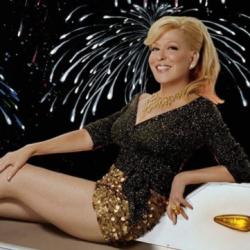
In 1985, Bette Midler turned down Ford’s offer to sing her hit “Do You Want to Dance” for the launch of their “Yuppie Campaign”. Their advertising agency, Young & Rubicam, proceeded to hire one of Midler’s own former backup singers, Ula Hedwig. They directed Hedwig to sound as much like Midler as possible. The singer sued the automaker and the ad agency, and the Ninth Circuit ruled in her favor in 1988. The court established for the first time that a uniquely identifiable voice is a protectable personal asset, even without using a name, image, or actual recording. Though Midler sued both parties for millions, damages of around $400,000 were awarded. The ruling directly paved the way for Tom Waits’ later victory against Frito-Lay.
50 Cent vs. Taco Bell
Never one to let disrespect slide, 50 Cent sued Taco Bell in 2008. The fast-food chain ran a cheeky campaign suggesting the rapper would rename himself “79 Cent”, “89 Cent”, or “99 Cent” to match their Value Menu. The stunt was designed to generate viral buzz without ever paying him. It worked, and the story exploded everywhere. Outraged, the rapper filed a $4 million lawsuit claiming Taco Bell had hijacked his stage name to imply endorsement. Taco Bell called it a good faith offer, but the rapper wasn’t having it. The lawsuit was settled in 2009 with undisclosed terms. Brands hoping to snag celebrity credibility without the invoice should read the case file carefully.
Scarlett Johansson vs. Disney
Hollywood was shocked in July 2021 when Scarlett Johansson sued Disney over the simultaneous theatrical and Disney+ release of “Black Widow”. She alleged the move directly torpedoed the box office bonuses built into her contract. Disney had reportedly already paid her $20 million up front, but her backend deal was tied to exclusive theatrical performance. According to Johansson, the double release set her back approximately $50 million in expected earnings. Disney hit back with a surprisingly personal insult, accusing her of disregard for the global effects of the COVID-19 pandemic. The case settled in September 2021 for undisclosed terms, with sources reporting her total compensation at $40 million-plus.