The Success Of Bette Midler And NYRP
Times Of India
Bette Midler started cleaning a neglected New York park in 1995; 30 years later, her group has planted 200,000 trees and built an artificial oyster reef | World New
By Staff
Sept 12, 2026

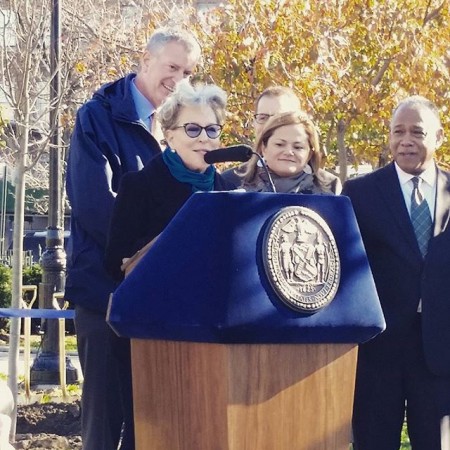
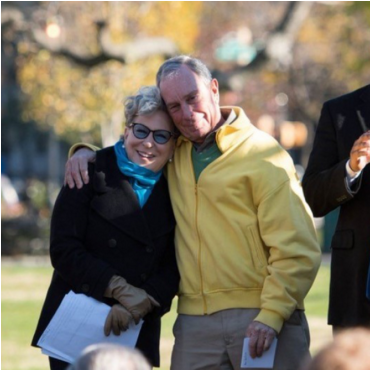
Bette Midler once spent her mornings clearing parks in Northern Manhattan that the city had abandoned. That early effort grew into the New York Restoration Project. It is a charity now credited with reshaping green space across all five boroughs. The phrase bette midler is associated with that effort.
Moreover, the organization has planted more than 200,000 trees since 1995. It has also removed over six million pounds of rubbish from parks and gardens citywide.
For example, the work includes a 500-foot artificial oyster reef along the Harlem River. It protects Sherman Creek Park from rising sea levels and storm damage. According to the New York Restoration Project Annual Report 2025, the charity stewards more than 80 acres of parkland. It operates over 50 community gardens, with recent projects including a chestnut restoration scheme in Highbridge Park. Three decades after Midler first picked up litter alone, her charity now reaches over 1.6 million New Yorkers.
Why did Bette Midler start restoring New York parks in 1995
NYRP traces its origins to the mid-1990s, when parks in Northern Manhattan had fallen into serious disrepair. When NYRP began working in Northern Manhattan parks in the mid-1990s, many were informal dumps, overrun with debris. Highbridge Park was among the sites in the worst condition, littered with abandoned rubbish and largely unused by residents.Midler founded the charity that year, with the belief that access to well-maintained green space should not depend on where a person lives. The report notes that the organization now stewards more than 80 acres of parkland, including Highbridge and Sherman Creek Parks, which it describes as “beloved community spaces with innovative restoration projects.”
How did NYRP plant 200,000 trees in New York City
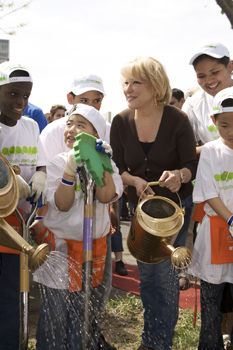
Tree planting has formed a central part of NYRP’s work since its earliest days. The organization reports planting over 200,000 trees. This milestone is more than three times the number of trees in Manhattan. The figure covers large-scale reforestation and community plantings with volunteers across the five boroughs. This work echoes the philanthropic legacy of bette midler.
The pace of that work has continued in recent years. In 2025 alone, it planted and distributed 4,649 trees. It also removed over 98,000 pounds of rubbish. It built or renovated eight new green spaces in underserved neighborhoods.
The charity now operates more than 50 community gardens across New York City. These spaces support residents and urban biodiversity.
Why did NYRP build a 500-foot oyster reef
Beyond tree planting, NYRP has worked on habitat restoration along the city’s waterways. This work strengthens urban ecosystems and resilience. The organization collaborated with NYC Parks in 2020 to install a living shoreline. It is a nature-based solution designed to buffer coastlines. This project features a 500-foot artificial oyster reef with marsh grass plantings at Sherman Creek Park. It is on the Harlem River, creating habitat and stabilizing shorelines.
The project was designed to protect the park from sea level rise. and wave action while providing habitat for local wildlife. The reef is described as an example of nature-based climate adaptation. It shows how engineered nature can complement traditional infrastructure. The surrounding marsh has developed alongside it.
NYRP says the new marsh is already matching the existing marsh in removing nitrogen pollution. The charity attributes this largely to sewer discharges into the river. These claims show the environmental and public health benefits of the restoration.
How is NYRP restoring American chestnut trees in New York
NYRP’s most recent restoration efforts have extended to species-specific projects as well as broader greening work. They have partnered since 2017 with NYC Parks and the American Chestnut Foundation. They planted more than 200 blight-resistant hybrid chestnut trees in Highbridge Park. The trees began producing nuts in 2023.
In 2025, this work expanded into the 1,000 Chestnut Challenge. It also opened New York City’s first official Chestnut Trail.
The organization says it intends to plant thousands more trees in 2026. This will occur alongside one of its largest community gardens.
Reportedly, the charity’s work now means over 1.6 million New Yorkers live within 10-minute walk of an NYRP green space.