Bootleg Betty
Marks the 54th Anniversary of Bette Midler’s The Divine Miss M album.
By Mister D
November 7, 2026.
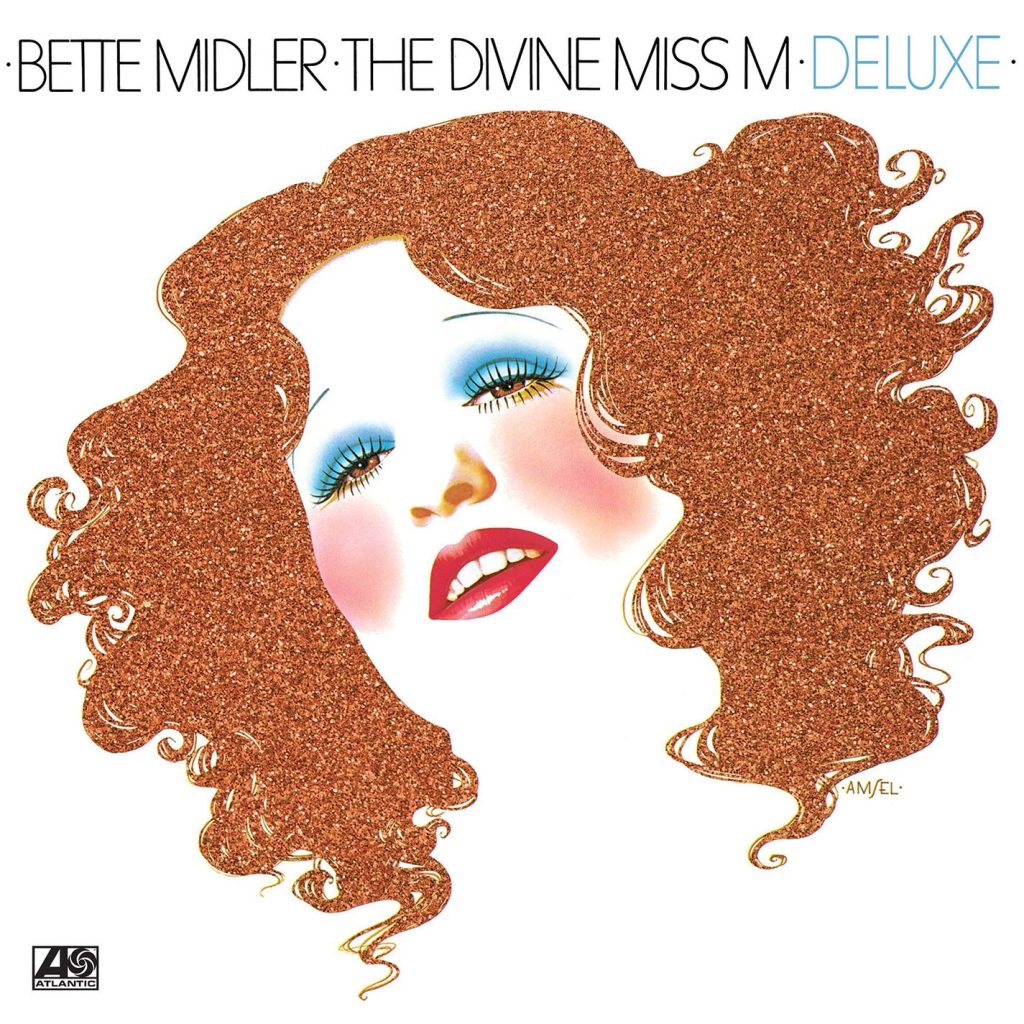
The Divine Miss M (1972): The Album That Introduced a Legend
Released on November 7, 1972, The Divine Miss M was Bette Midler’s debut album.
As a result, the record transformed ‘Bathhouse Betty’ from cult sensation at New York’s Continental Baths into a national star.
It was co-produced by Barry Manilow, who at the time was Midler’s musical director and accompanist.
It blended pop, rock, cabaret, oldies, torch songs, and camp theatrics into a package unlike anything on the charts.
The title came from Midler’s already-famous stage persona,”The Divine Miss M.”
Notable Tracks
The album introduced several songs that would become essential parts of Bette’s repertoire:
“Do You Want to Dance?”
“Chapel of Love”
“Friends”
“Hello in There”
“Delta Dawn”
“Leader of the Pack”
“Boogie Woogie Bugle Boy”
Among these,”Boogie Woogie Bugle Boy” became the biggest hit, reaching No. 8 on the Billboard Hot 100 and No. 1 on the Adult Contemporary chart.
Awards & Recognition
Grammy Awards
The album was nominated for Album of the Year at the 16th Annual Grammy Awards.
While the album itself did not win Album of the Year, it helped earn Bette the Grammy Award for Best New Artist in 1974.
The single”Boogie Woogie Bugle Boy” was also nominated for Best Pop Vocal Performance, Female.
Sales & Certifications
The Divine Miss M was a major commercial success:
Certification CountryGold (1973) United States
Platinum United States
Platinum Canada
Estimated certified sales are approximately:
1,000,000 copies in the U.S.
100,000 copies in Canada
1.1 million certified sales overall
The album also reached the Top 10 of Billboard’s album chart, a remarkable achievement for a debut artist.
Divine Miss Trivia
Barry Manilow’s Big Break Too
Before he was “Mandy” Manilow, Barry was Bette’s pianist and arranger. His work on The Divine Miss M helped launch his own career. He co-produced the album and played on many tracks.
The Andrews Sisters Loved Her Version
Bette’s recording of “Boogie Woogie Bugle Boy” impressed surviving Andrews Sisters Patty and Maxene Andrews. Patty reportedly said she thought it was their original record when she first heard it on the radio.
Iconic Cover Art
The cover illustration was created by Richard Amsel, who later became one of Hollywood’s most celebrated poster artists, producing artwork for films such as The Sting and Raiders of the Lost Ark.
Songs Were Tested in the Baths
Many of the songs on the album were honed during Bette’s legendary performances at New York’s Continental Baths, where she built the devoted gay fanbase that first crowned her “The Divine Miss M.”
Lost Tracks
Several songs recorded during the sessions did not make the final LP, including:
“For Free”
“He Was Too Good to Me”
“I Shall Be Released”
“A Teenager in Love”
“Old Cape Cod”
“Marijuana”
Some of these later surfaced on other releases and deluxe editions.
Deluxe Edition
In 2016 Rhino released a deluxe remastered edition containing single mixes, alternate takes, demos, and previously unreleased material from the album sessions.
Bootleg Betty Bottom Line
If The Rose made Bette a movie star, The Divine Miss M made her Bette Midler. It captured everything that made audiences fall for her: camp, humor, heartbreak, old pop culture, powerhouse vocals, and a fearless willingness to sing anything from John Prine to the Andrews Sisters. More than fifty years later, it remains one of the strongest debut albums of the 1970s and the blueprint for the “Divine” persona that followed her for decades.


