New Yorker
Reviews: Bette Midler In Down & Out In Beverly Hills
By Pauline Kael
Aug. 29, 2026
Additionally, Pauline Kael published her review of Down and Out in Beverly Hills.
The review, directed by Paul Mazursky, appeared in The New Yorker on February 3, 1986, under the title ‘White and Gray’.
It also covers Terry Gilliam’s Brazil.
Kael describes the film as set in a “pastel consumers’ paradise,” calling it “almost immorally luscious.” Cinematographer Don McAlpine captures “the sensuousness of money wrapped in sunshine,” and Mazursky depicts anxious, “unfulfilled” people. She notes that jokes often defy easy explanation. Moreover, jokes you can’t explain may be the best kind, and Mazursky is a master of them. When the film hits its stride, “you’re not responding to single jokes—it’s the whole gestalt of the movie that’s funny.”
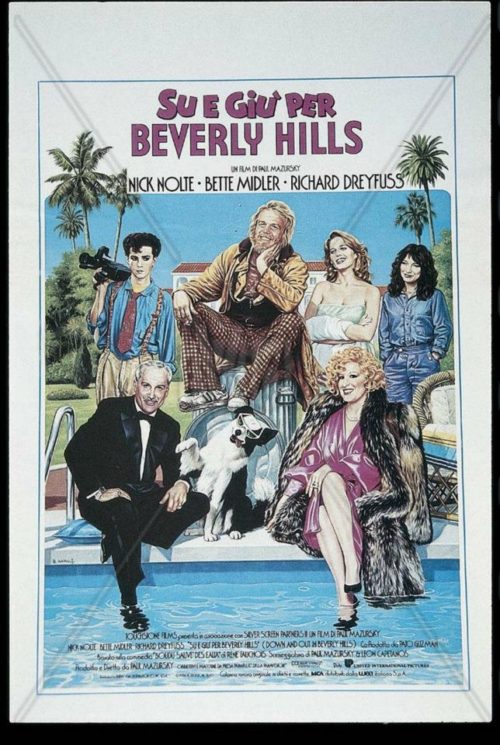
The film adapts the René Fauchois play that inspired Jean Renoir’s Boudu Saved from Drowning. Nick Nolte plays the shaggy, smelly drifter Jerry, who attempts suicide in the Whitemans’ pool. Richard Dreyfuss’s Dave Whiteman (a wire-hanger manufacturer) rescues him while Mrs. Whiteman (Bette Midler) and the servants look on in horror at the “moral affront” of his filthiness. Jerry is not one of the “deserving poor” but a dropout who quickly settles in and wins over the household (including the family dog Matisse).
Kael calls the film a cultural comment without a hair shirt, and it is silky in every detail.
Moreover, conspicuous consumption is the way of life.
She highlights social details of new-money Beverly Hills.
Moreover, Little Richard’s energetic performance as the record-producer neighbor stands out.
The film’s skillful delayed gags and visual beauty are notable.
It is “one of the most sheer beautiful comedies ever shot.”
She finds it peppy and pleasurable.
It is full of uproarious silliness, especially involving the dog Matisse.
There are only minor flaws, such as some unresolved expectations or constrained handling of the son’s story.
Kael is especially enthusiastic about Bette Midler here, in the role of Barb Whiteman.
She has never appeared so seductive on screen, Bette Midler.
This is only the fourth picture she has starred in.
You see a softer, less funky Midler; she plays a bored, dissatisfied housewife with a warped charm.
Barb looks as if she might be listening to angels tinkling coins.
Money has beatified her, and so have gurus and yogis.
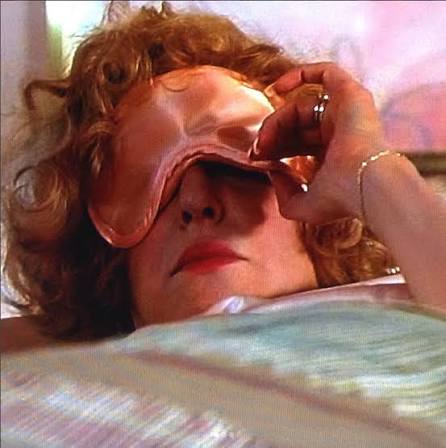
Barb Whiteman reclines in the peach-colored bedroom she shares with Dave; it’s blissfully harmonious.
She sits cross-legged before an Oriental idol or trots through the halls in frilly dresses.
Her eyes are pixillated.
She’s ready for anything.
I’d watch an evening of Midler just doing her bobblejiggle walks.
Kael also notes the dog’s “startled response to Barb’s orgasmic vocalizing” as a comic high point. Overall, she presents Midler’s performance as a standout—softer, more seductive, and full of warped, pixillated charm that elevates the character of the pampered, guru-obsessed matron.
The full original review is available via The New Yorker archive (search “White and Gray” or the February 10, 1986 issue). Kael’s collected writings also include it in volumes covering that period.