NewsRoom
American Chestnut Trees Return to the Wildlife Conservation Society’s Bronx Zoo More Than a Century After Blight That Wiped Them Out Was First Documented Here
By Mary Dixon
Oct. 1, 2026
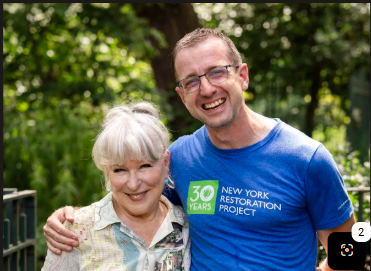
BRONX, NY (September 30, 2026)—More than 120 years after a forester at the Wildlife Conservation Society’s Bronx Zoo first documented the chestnut blight that would ultimately wipe out nearly 4 billion American chestnut trees, American chestnuts are returning to the WCS Bronx Zoo, thanks to a partnership with the New York Restoration Project.
On Monday, Oct. 5, the Wildlife Conservation Society’s Bronx Zoo will plant hybrid American chestnut trees at the zoo. It is part of a gift of 25 trees from NYRP in partnership with The American Chestnut Foundation.
The planting represents a remarkable homecoming for one of America’s most iconic trees. In 1904, Bronx Zoo Chief Forester Hermann Merkel documented the devastating chestnut blight, which spread across the American chestnut’s native range and transformed forests from Maine to Florida and west to the Ohio Valley.
Once among the most important trees in eastern North American forests, the American chestnut provided food and habitat for wildlife and timber for generations of people. Today, it is considered functionally extinct in the wild.
Now, more than a century later, hybrid American chestnuts bred for blight resistance are being returned to the Bronx Zoo. This is part of a larger effort to restore the species to landscapes where it once thrived.
WHAT:
Media will be available at the Bronx Zoo.
A ceremonial planting of hybrid American chestnut trees will take place at the Bronx Zoo.
The event will provide opportunities for reporters, photographers and television crews to document the planting. It will also allow interviews with representatives about the extraordinary history connecting the Bronx Zoo to the American chestnut and efforts underway today to bring the species back.
WHO:
WCS Bronx Zoo representatives
New York Restoration Project (NYRP) leads the largest urban effort to restore the American chestnut, working with partners to bring hybrid trees back into New York City’s landscape.
WHEN:
Monday, October 5, 2026
Media arrival: 8:30 a.m. to noon, at your convenience.
Planting begins at 9:00 a.m.
WHERE:
Wildlife Conservation Society’s Bronx Zoo.
Media should arrive at Fountain Circle, off Fordham Road.
Upon arrival, please call Mary Dixon at 347-840-1242.
WHY IT MATTERS:
The American chestnut was once a defining tree of eastern North American forests before chestnut blight devastated the species in the early 20th century. The disease was first documented in 1904 by Bronx Zoo Chief Forester Hermann Merkel, making the return of American chestnuts to the zoo more than a century later especially significant. See here a link to a historical record of this discovery back in 1904: Annual report – New York Zoological Society : New York Zoological Society : Free Download, Borrow, and Streaming : Internet Archive
New York Restoration Project leads a major urban effort to help restore the American chestnut. Since 2017, NYRP and its partners have planted and stewarded more than 200 hybrid American chestnuts in Northern Manhattan’s Highbridge Park, creating New York City’s largest chestnut grove. In 2025, NYRP launched the 1,000 Chestnut Challenge to expand restoration and engage New Yorkers in planting and monitoring chestnut trees.
The WCS Bronx Zoo planting expands that restoration network while bringing the American chestnut back to a place with a unique role in the history of its disappearance.
New York Restoration Project
Founded in 1995, New York Restoration Project (NYRP) is an environmental justice nonprofit and citywide nature conservancy dedicated to expanding access to nature for all New Yorkers. NYRP believes that nature is a fundamental human right and that everyone deserves access to high-quality public green space. Working collaboratively with residents and communities across all five boroughs, NYRP renovates gardens, restores parks, plants and distributes trees, promotes urban agriculture, and builds partnerships that create a greener, healthier, and more resilient city for all. Since its founding by Bette Midler, NYRP has built or renovated more than 350 gardens, planted and distributed nearly 300,000 trees, and restored more than 300 acres of parkland. Learn more at nyrp.org
The Bronx Zoo
The Bronx Zoo, located on 265 acres of hardwood forest in Bronx, NY, opened on Nov. 8, 1899. It is world-renowned for its leadership in the areas of animal welfare, husbandry, veterinary care, education, science and conservation. The zoo is accredited by the Association of Zoos and Aquariums (AZA) and is the flagship park of the Wildlife Conservation Society (WCS) which manages the world’s largest network of urban wildlife parks including the Bronx Zoo, Central Park Zoo, Prospect Park Zoo, Queens Zoo and New York Aquarium. Our curators and animal care staff work to save, propagate, and sustain populations of threatened and endangered species. We have educated and inspired more than 400 million visitors at our zoos and aquarium since our opening and host approximately 4 million guests at our parks each year – including about a half-million students annually. The Bronx Zoo is the largest youth employer in the borough of the Bronx, providing opportunity and helping to transform lives in one of the most under-served communities in the nation. The Bronx Zoo is the subject of THE ZOO, a doc-series aired world-wide on Animal Planet. Members of the media should contact mdixon@wcs.org (+1 (347) 840-1242) for more information or with questions.