Bootleg Betty notes the 53rd anniversary of Bette Midler’s second album.
The post is by Mister D and dated November 16, 2026.
Bette Midler (1973) – Overview
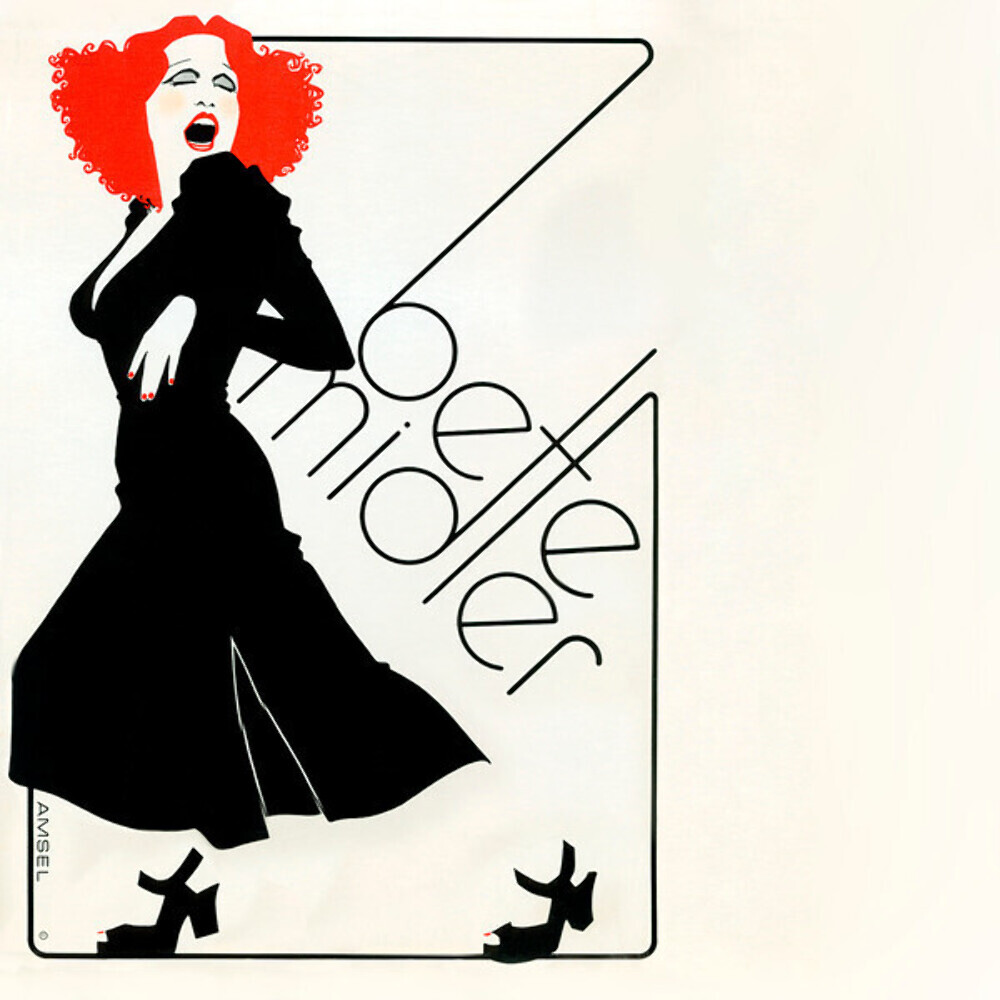
Bette Midler’s second studio album, Bette Midler, was released on November 16, 1973, by Atlantic Records. It followed her acclaimed debut album, The Divine Miss M (1972), and further established her reputation for blending traditional pop, cabaret, Broadway, blues, and rock influences into a distinctive style. The album was produced by Arif Mardin and Barry Manilow, who also served as arranger and musical director.
The album features eclectic interpretations of classics and contemporary songs, including:
“Skylark” “Surabaya Johnny” “I Shall Be Released” “In the Mood” “Optimistic Voices/Lullaby of Broadway” “Higher & Higher (Your Love Keeps Lifting Me)”
Commercially, the album was a success, reaching No. 6 on the U.S. album chart and later earning a Gold certification from the RIAA.
Awards and Nominations
However, unlike The Divine Miss M, which received major Grammy recognition, I could not verify any nominations.
These results refer to the Bette Midler album itself from the sources reviewed.
The album’s primary documented achievement was its commercial success and Gold record certification.
Notable tracks include In the Mood, performed by Bette Midler.
Midler’s version of the Glenn Miller classic is particularly notable because she sang all the vocal parts herself. Additional lyrics were contributed by Barry Manilow and Bette Midler.
“Optimistic Voices/Lullaby of Broadway”
This medley showcased Midler’s love of classic Hollywood and Broadway material, a recurring element throughout her career.
Phil Spector Medley
The album includes a tribute medley combining:
“Uptown” “Don’t Say Nothing’ Bad (About My Baby)” “Da Doo Ron Ron”
This reflected Midler’s affection for early-1960s girl-group pop and the “Wall of Sound” style.
Trivia
This was the last Bette Midler studio album released before a three-year gap, as her next album, Songs for the New Depression, would not arrive until 1976. Future superstar Barry Manilow played a major role in the album, serving as pianist, arranger, conductor, backing vocalist, and co-producer. The album features an impressive roster of session musicians, including acclaimed drummer Steve Gadd, bassist Chuck Rainey, and guitarist Cornell Dupree. The album was first issued on CD in 1989 and received a remastered reissue in 1995. The cover artwork was created by noted illustrator Richard Amsel, famous for iconic movie posters such as Raiders of the Lost Ark.
Critical Reputation
Critics generally recognized the album as a worthy follow-up to The Divine Miss M, highlighting Midler’s versatility and theatrical vocal style. While it did not generate a signature hit on the level of later songs such as “The Rose” or “Wind Beneath My Wings,” it remains a favorite among many longtime fans for its adventurous song selection and strong collaboration with Barry Manilow.
One particularly interesting aspect for fans is that the album contains an early recording of”Lullaby of Broadway,” a song that Midler would continue to be associated with throughout her career.